
Comfort & Clarity
Gentle techniques, anesthesia options, and step‑by‑step guidance.
When removal is needed, we focus on comfort and long-term health.
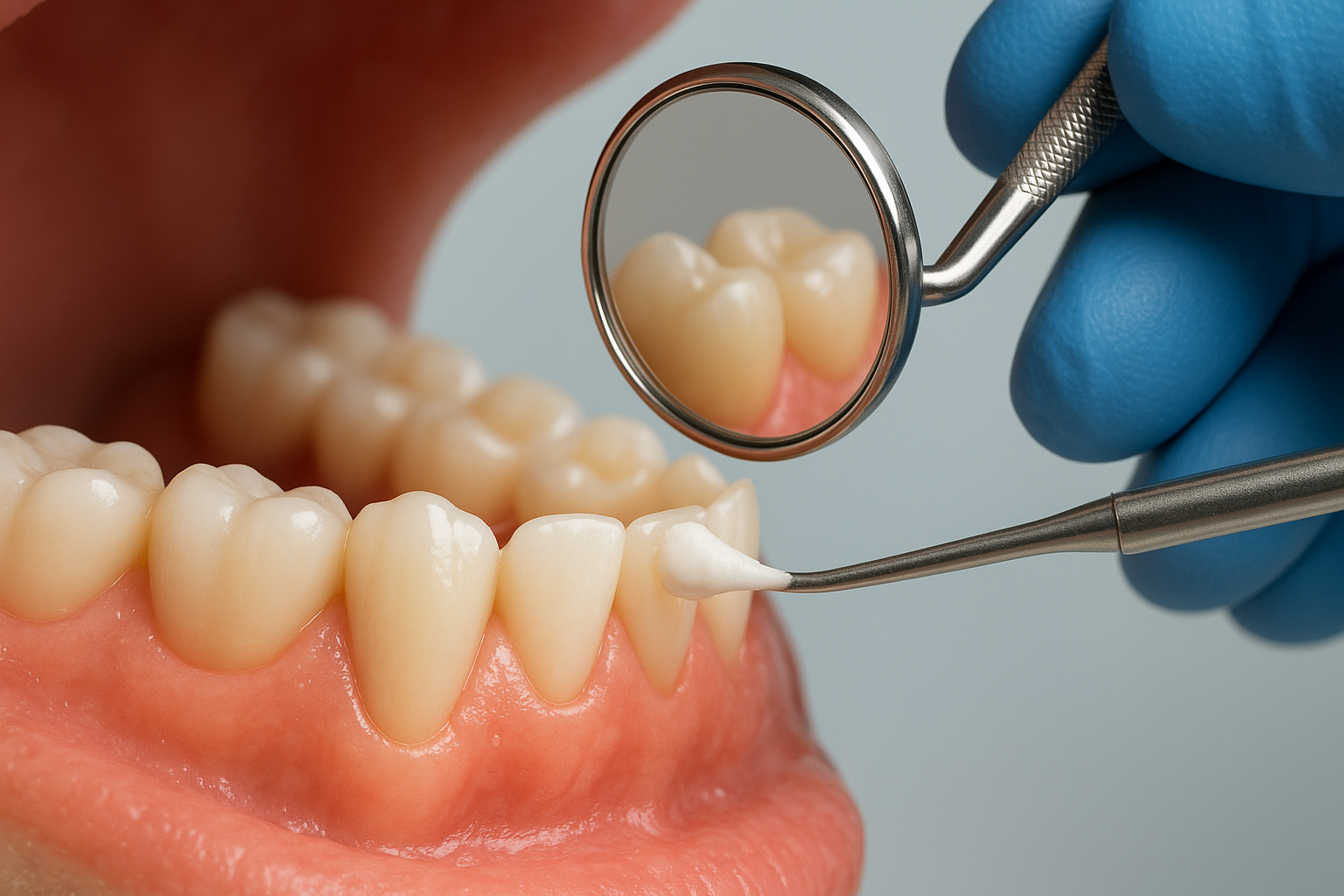
When a tooth must be removed due to decay, fracture, or infection, our focus is comfort and long‑term planning. We’ll review options in advance and support you through recovery.
To maintain future options for implants or bridges, we often recommend ridge preservation (bone grafting) at the time of extraction.
Extractions & Preservation includes both gentle tooth removal when necessary and proactive steps to protect bone and gum health for future options. Whenever it’s feasible, we prioritize tooth preservation —stabilizing compromised teeth, treating infection, and using conservative techniques to keep natural structure.
Common preservation services include:
Why preserve? After a tooth is removed, the ridge naturally remodels and may lose height and width. Techniques like socket preservation and site‑specific grafting help minimize these changes and keep future options open.
Gentle techniques, anesthesia options, and step‑by‑step guidance.
Protects bone and soft tissue for future replacement.
We coordinate next steps—temporary solutions to long‑term restorations.
Exam and imaging to plan the procedure; review after‑care and nutrition tips.
Comfort‑focused extraction (simple or surgical) with clear communication.
Graft and membrane when indicated; follow‑up and replacement planning.
Will it hurt?
You’ll be thoroughly numbed; most patients report pressure rather than pain. We’ll review comfort options.
What is a dry socket and how do I avoid it?
It’s when the clot dislodges; avoid smoking/vaping and follow after‑care closely.
What can I eat afterward?
Soft, cool foods the first day; advance as comfortable per our instructions.
When can I replace the tooth?
Timing depends on healing and the chosen option; we’ll outline a personalized timeline.
What is socket (ridge) preservation?
It’s a minor graft placed in the extraction site to help maintain bone volume. Evidence suggests it can reduce the natural width/height changes after extraction and support future implant or bridge options.
Do I always need a graft after extraction?
No. It depends on the site and your goals. We’ll evaluate bone quality and location and recommend socket preservation, membranes, or sinus lift only when it benefits your long‑term plan.
Is preserving my tooth better than extracting it?
When a tooth can be restored predictably, preservation is usually preferred. If a tooth is cracked below the gumline, infected beyond repair, or has a poor prognosis, careful extraction with ridge preservation may be healthier.
How long is recovery?
Most patients return to routine activity within 24–48 hours. You’ll receive tailored post‑op instructions for comfort, hygiene, and diet to protect the area as it heals.
When is a sinus lift needed?
In the upper back jaw, limited bone height under the sinus can prevent standard implant placement. A sinus lift adds bone height so an implant can be placed safely and predictably.
Professional Affiliations